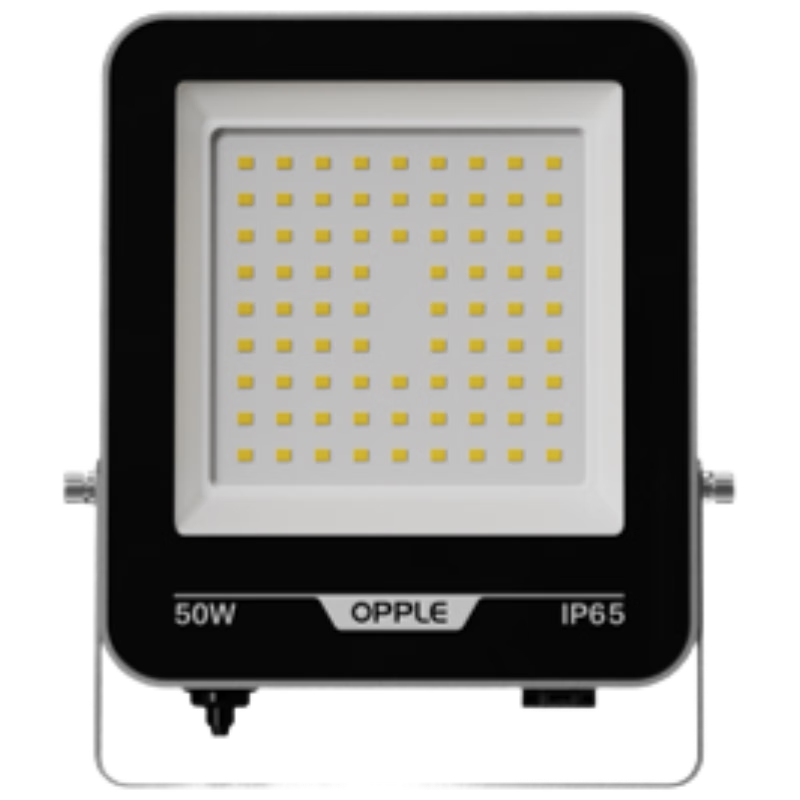
High-brightness LED chips with luminous efficacy of 220-230 LM/W.
Lens system includes magnification and refraction layers for focused, high-intensity light.
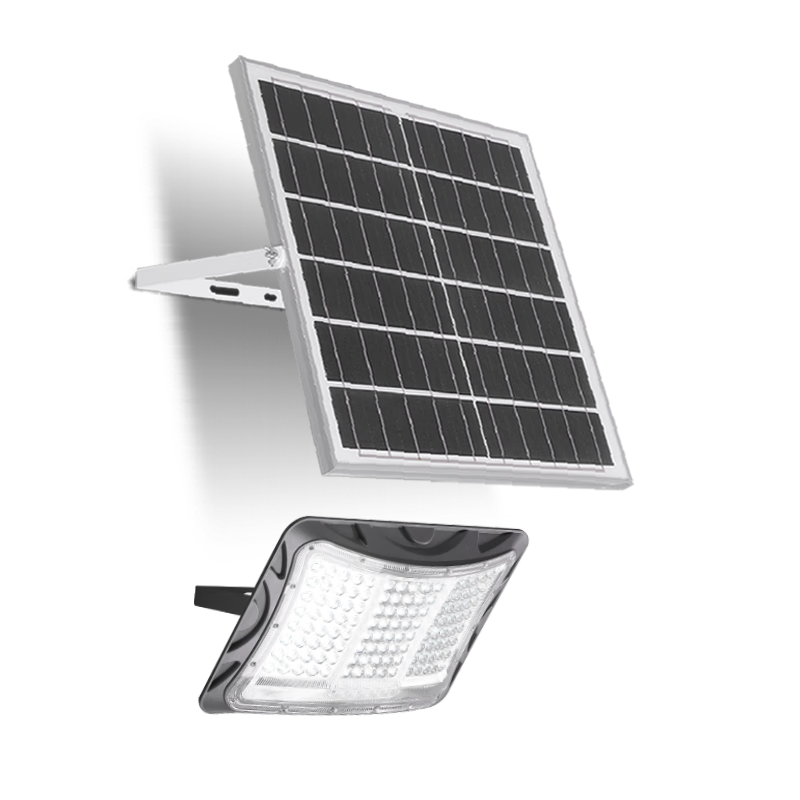
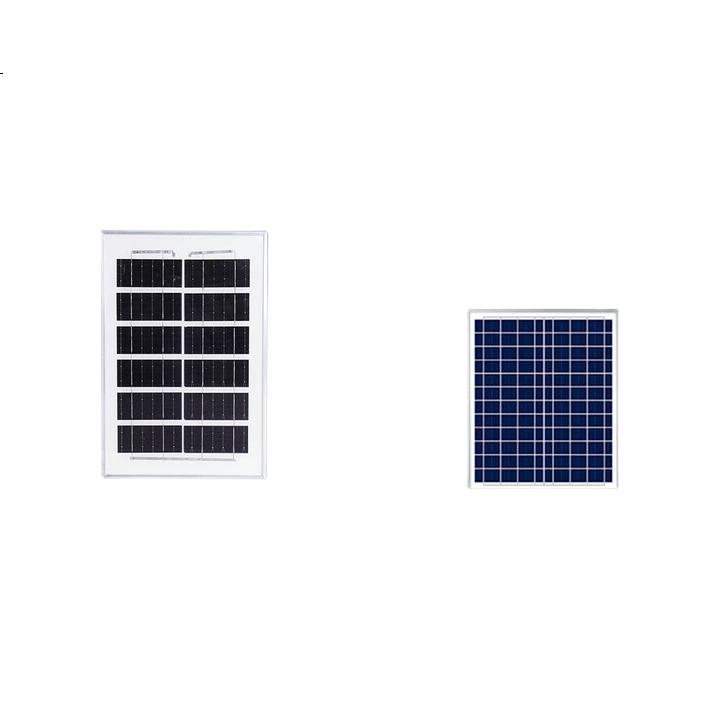
Large photovoltaic panel size for efficient solar energy capture.
6. Material & Durability
Aerospace-grade die-cast aluminum housing for excellent heat dissipation and corrosion resistance.
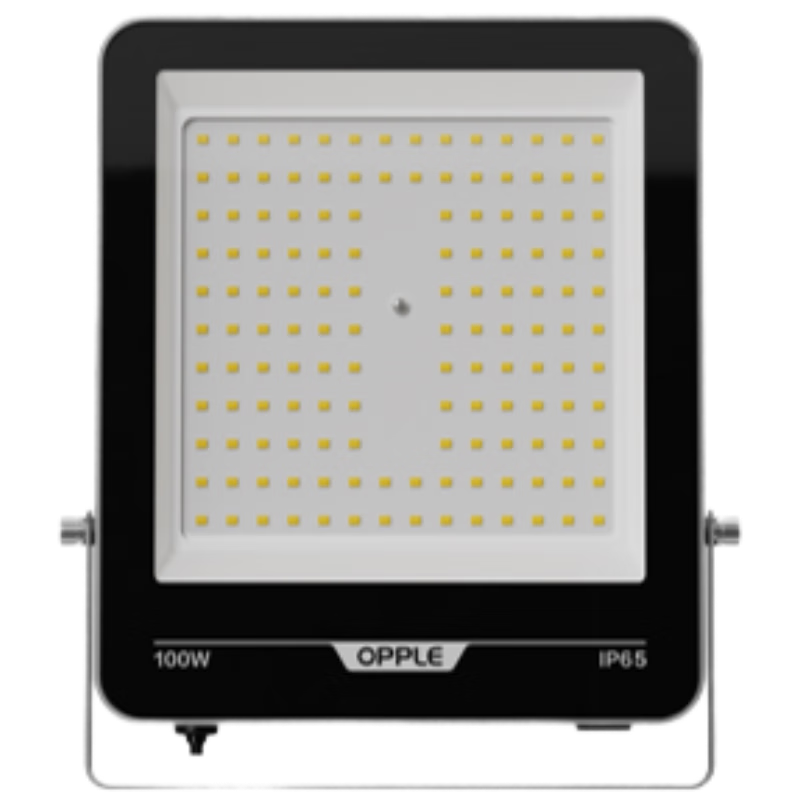
Waterproof rating: IP65, suitable for harsh weather conditions including rain and temperature extremes (-50°C to -10°C).
Long-lasting curved surface LED lens design for enhanced light distribution and coverage without dark spots.
7. Design Features
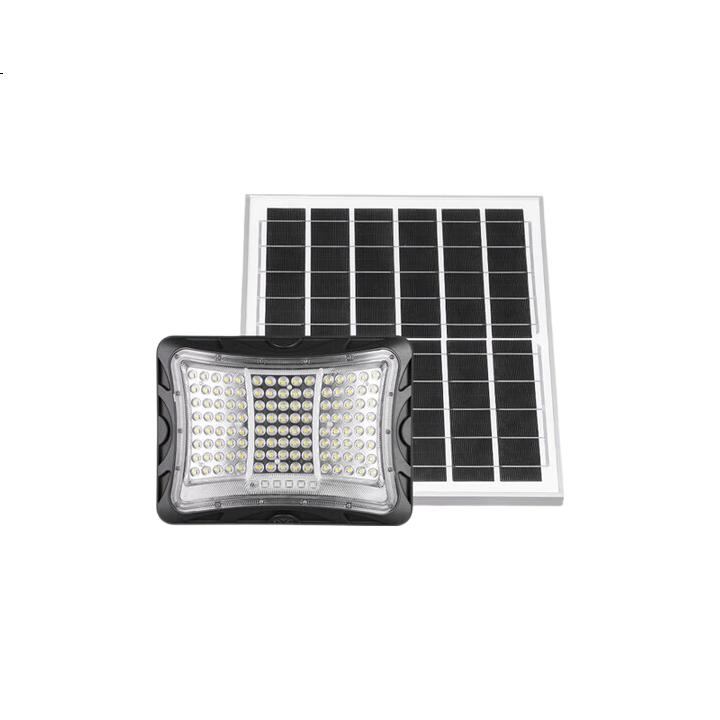
Curved large-area luminous surface combining curved screen and high-brightness LED lens for superior illumination compared to traditional flat single-sided screens.
Energy-saving and environmentally friendly with zero electricity cost annually.
Five-level charging indicator with flashing lights during charging and steady lights when fully charged.
High-efficiency monocrystalline silicon solar panels for better conversion efficiency than polycrystalline panels.
8. Smart Solar Charging & Lighting
Automatic daytime charging and nighttime lighting based on ambient light conditions.
Full charge achieved with approximately 5 hours of direct sunlight.
Continuous lighting for about 12 hours on full charge with adaptive brightness control.
No wiring required; suitable for outdoor courtyards, sports venues, farmhouses, rooftops, etc.
9. Environmental & Usage Data
Solar irradiance and UV light intensity data vary by region, month, and installation environment.
Optimal charging occurs between 11:30 AM and 3:30 PM when solar UV intensity is highest.
Charging efficiency depends on battery capacity, system design, solar panel power, and size.
Typical outdoor illuminance ranges for charging:
Direct sunlight: 30,000-50,000 Lux (effective charging)
Under shade or indoors: below 3,000 Lux (ineffective charging)
Data sourced from NVC laboratory for user reference.
| Lumen (Lm) | Power (W) | Installation Height (m) | Approx. Coverage Area (m²) |
Coverage area is maximum recommended; actual coverage depends on installation height and battery charge status.
All data are based on NVC’s laboratory testing and are for reference only. Actual product performance may vary depending on environmental conditions and installation specifics.
 View
 View
 View